
The Number That Wasn't Chosen
In 1947, Achille Gaggia filed a patent for a lever-operated espresso machine using a spring-loaded piston instead of steam. He wasn't targeting a specific pressure. He was trying to overcome the limitations of steam machines — which topped out around 1–2 bar and produced thin, bitter coffee [1].
What Gaggia's lever produced was somewhere between 8 and 10 bar, depending on how hard the barista pulled. When pump-driven machines arrived in the 1960s, manufacturers needed a fixed setpoint. They picked 9 bar — not because controlled trials said so, but because that range worked reliably and the industry aligned around it [1].
The Specialty Coffee Association later put numbers to what "works reliably" means: extraction yield between 18% and 22% of the coffee's soluble mass [2]. Below 18%, you leave acids and sugars behind — the shot is sour and hollow. Above 22%, you've extracted the bitter phenolics and dry tannins that dissolve last and are hardest to mask. Nine bar at a well-prepared puck hits that window in 25–35 seconds.
TL;DR
- Nine bar is a 1940s consensus, not a physical constant — it's where reliable extraction met practical machine design.
- Pressure forces water to emulsify coffee lipids that gravity brewing can't dissolve, which is where espresso's body and much of its aromatic complexity comes from.
- Crema is dissolved CO₂ released as pressure drops — an emergent physical event, not a direct quality signal.
- Modern machines now profile pressure across the shot, and for light roasts it meaningfully changes the cup.
What Pressure Does That Gravity Can't
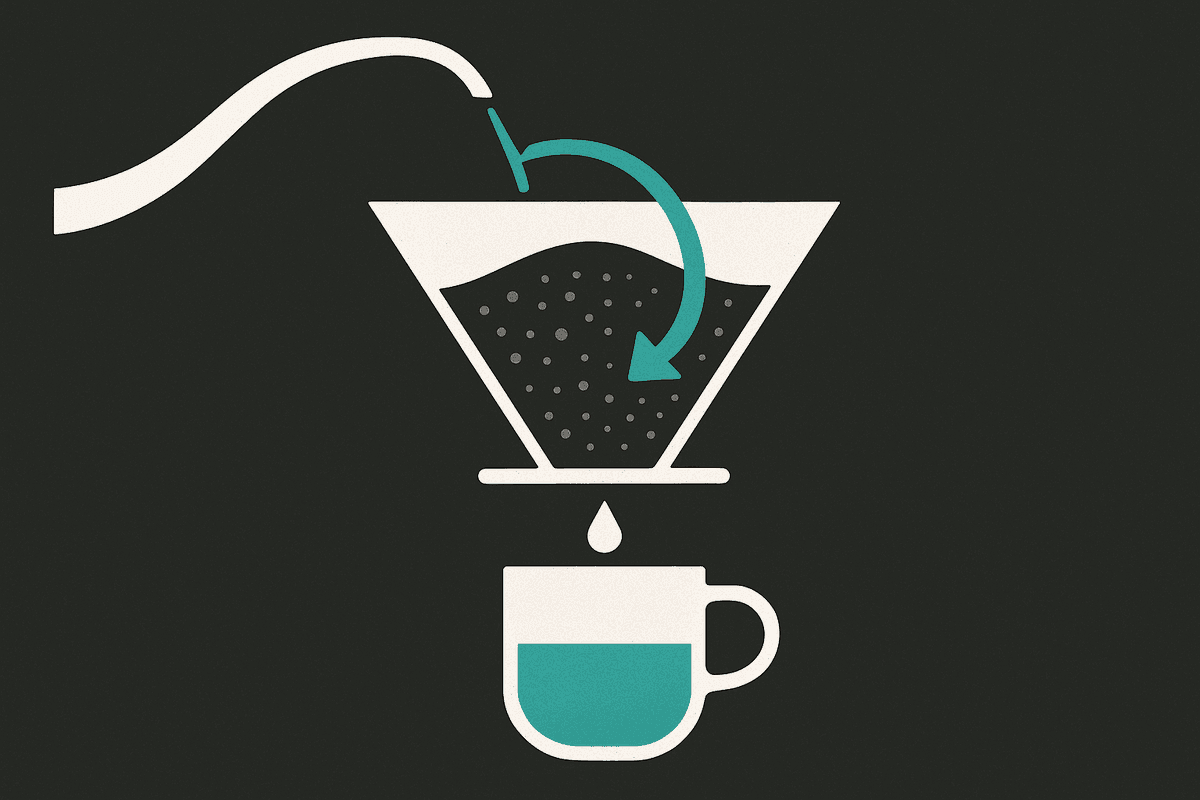
Pour-over and French press rely on gravity plus contact time. At 9 bar, water is driven through the puck at roughly nine times atmospheric pressure — and that changes what dissolves.
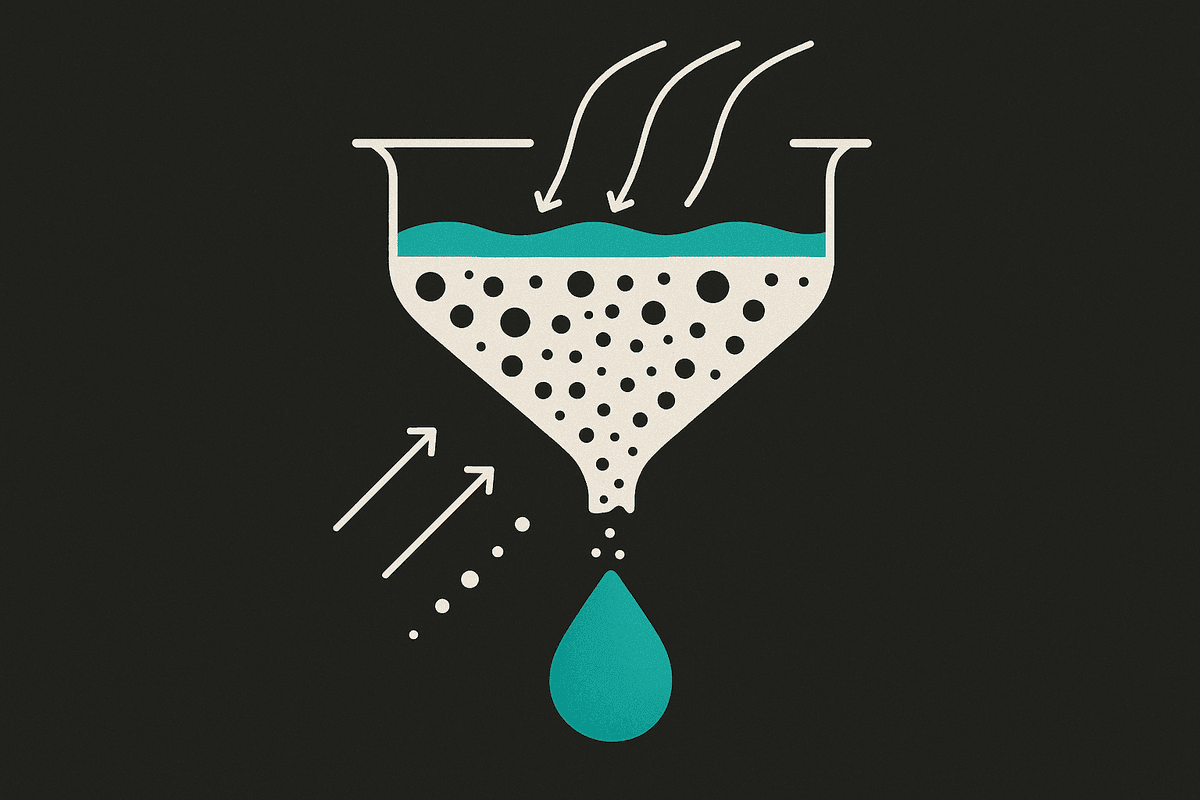
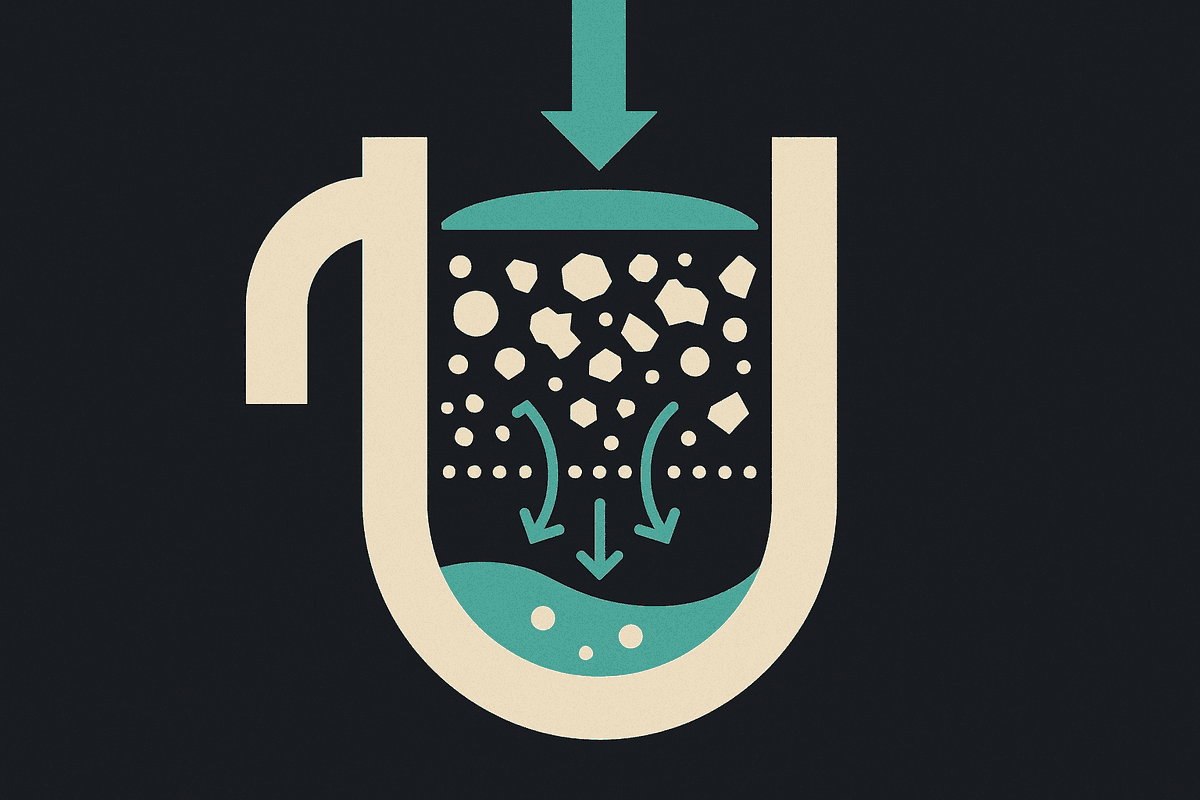
Two things happen that low-pressure methods can't replicate. First, the forced flow emulsifies coffee's lipids: the oily compounds that contribute mouthfeel, body, and a significant proportion of aromatic complexity [3]. These lipids are largely insoluble in gravity brewing. Espresso has them; drip and pour-over mostly don't — which is the structural reason espresso tastes heavier and richer, not just more concentrated.
Second, the pressurised water carries dissolved CO₂ out of the grounds. When that liquid enters the cup and pressure drops, the CO₂ nucleates into bubbles that capture oil droplets and form a foam stabilised by melanoidins, proteins, and polysaccharides [4]. That foam is crema.
Note
Crema color and persistence are popular quality proxies. They're actually driven more by roast age and bean variety than by extraction quality. A dark, persistent crema can come from a stale robusta-heavy blend. A pale crema can come from a high-elevation washed coffee at peak rest. Crema appearance is data — just not always the data people assume.
[!DATA value="18–22%" label="SCA target extraction yield for espresso (% of soluble mass dissolved)"]
Why Not More? Why Not Less?
Below about 6 bar, water moves too slowly to emulsify the lipids or dissolve enough CO₂ from the grounds. Body thins, crema collapses, and extraction skews toward the easily-soluble acids with nothing to balance them [3].
Above 10–11 bar, the problems invert. Higher force pushes water through the puck unevenly, creating channels where water follows the path of least resistance. Those channels over-extract rapidly while adjacent sections under-extract. The outcome: bitter phenolics and dry tannins alongside under-extracted sourness — the hardest combination to fix after the fact [2][3].
Nine bar isn't optimal for every coffee. It's an industrial compromise that works reliably across a wide range of roast levels and grind calibrations — consistent enough to anchor an entire industry before anyone had the tools to question it.
Nine bar isn't a law of physics. It's a consensus that formed before anyone had the instruments to challenge it.
The Modern Question: Should the Number Be Fixed?
Current high-end machines can vary pressure dynamically across a shot — pressure profiling. The standard approach starts with 2–4 bar of pre-infusion, saturating the puck gently before ramping to full pressure. This reduces channeling, gives lighter roasts time to hydrate evenly, and pushes extraction yield up a percentage point or two without increasing bitterness [5].
The effect is most noticeable on light roasts and complex naturals: more sweetness, less harshness, slightly heavier body. On medium and dark roasts the gains are marginal — a well-prepped puck at constant 9 bar is already reliable.
Consumer machines rated "15 bar" at the pump often deliver 7–9 bar at the puck after losses through tubing, valves, and the puck itself. The spec sheet number is marketing. Puck pressure is the number that matters.
Try this
- Watch your pressure gauge. If your machine has one, observe it during extraction. A spike above 11 bar usually means too fine a grind or too dense a puck — coarsen the grind slightly and watch the needle drop.
- Pre-infusion on a light roast. If your machine has a pre-infusion or soft-start setting, run the same recipe with and without it on a light roast. Pre-infusion typically reads sweeter and less harsh — that's channeling reduction showing up in the cup.