
The Fat in Your Cup
Every coffee bean is roughly 12–18% lipids by dry weight. Most of them stay in the grounds. But depending on how you brew, a meaningful portion reaches the cup — and two specific molecules, cafestol and kahweol, have a more measurable effect on your body than anything else in the beverage.
They're diterpenes: dense, waxy molecules that don't dissolve in water but live in the oily fraction of the coffee cell. They don't taste like much on their own. What they do in your liver is the interesting part.
TL;DR
- Cafestol and kahweol raise LDL cholesterol by suppressing your liver's cholesterol-clearing machinery — two distinct mechanisms, both well-documented.
- Paper filters trap roughly 90% of these diterpenes. Metal filters and no-filter methods (French press, boiled coffee) let most of them through.
- The same oily fraction that carries cafestol also carries lipid-soluble aroma compounds. Filtering for health trades some body.
- A French press cup contains roughly 25× more cafestol than a paper-filtered drip cup.
Why They Raise Cholesterol
Cafestol is one of the most potent dietary raisers of LDL cholesterol identified. Two mechanisms, both liver-based.
First: cafestol suppresses bile acid synthesis by downregulating cholesterol 7α-hydroxylase — the enzyme your liver uses to convert excess cholesterol into bile acids and excrete it [1]. Less conversion means more cholesterol stays in circulation.
Second: cafestol reduces LDL receptor activity in hepatocytes, the cells that pull LDL out of your bloodstream [2]. Cell studies showed cafestol reduced LDL receptor protein levels by about 25% [2]. Fewer receptors means LDL persists in the blood longer.
Clinical trials confirmed the outcome. Six weeks of daily consumption at 73 mg cafestol and 58 mg kahweol raised total plasma cholesterol by roughly 35% — approximately three-quarters of that increase was LDL [3]. Coffee oil stripped of cafestol and kahweol: no effect at all [3].
[!DATA value="~35%" label="Total plasma cholesterol rise after 6 weeks of high-cafestol coffee (clinical trial)"]
How Much Is in Your Cup
The amount is almost entirely a brew-method question.
Boiled (cowboy, Turkish): highest concentrations, sometimes exceeding 900 mg/L cafestol. No filter at all.
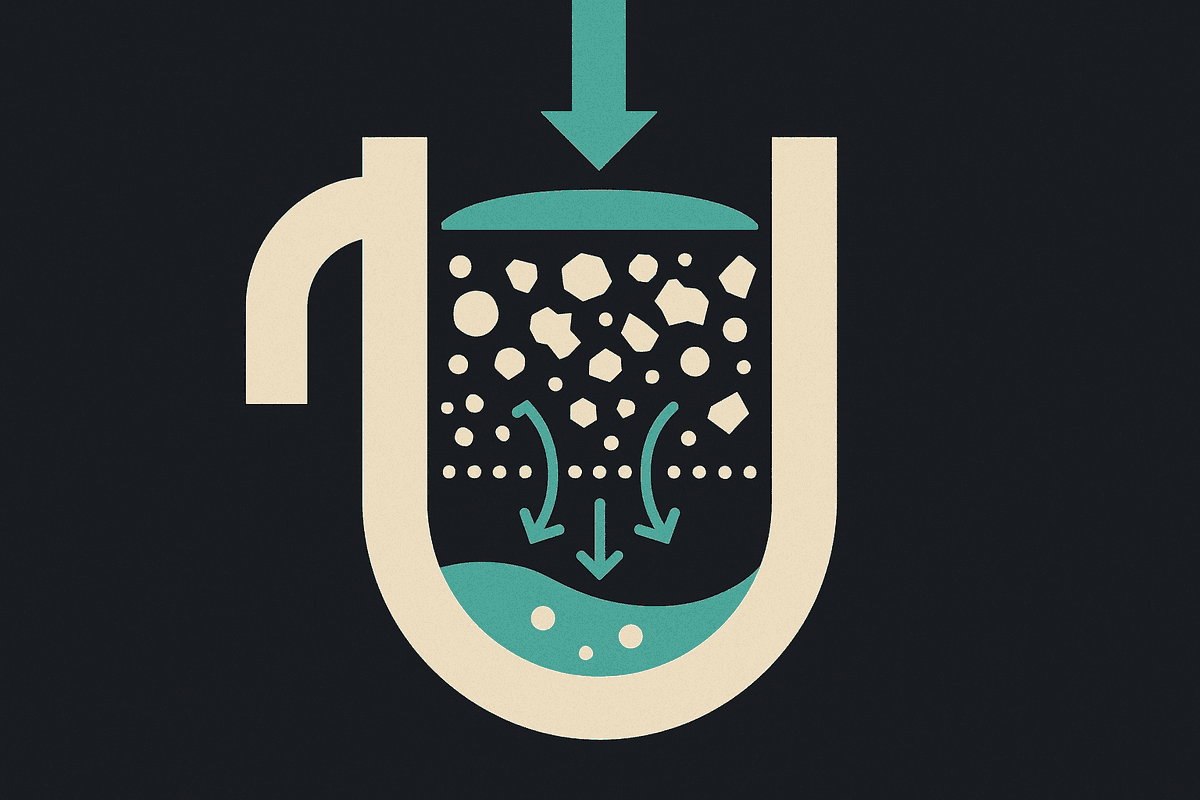
French press: around 90 mg/L cafestol and 70 mg/L kahweol [4]. The metal mesh keeps grounds out. It doesn't catch oil droplets.
Espresso: shots are small — roughly 1–1.5 mg cafestol per 30 mL pull [5]. Concentrated per milliliter, but a low absolute dose per drink unless you're running three or four a day.
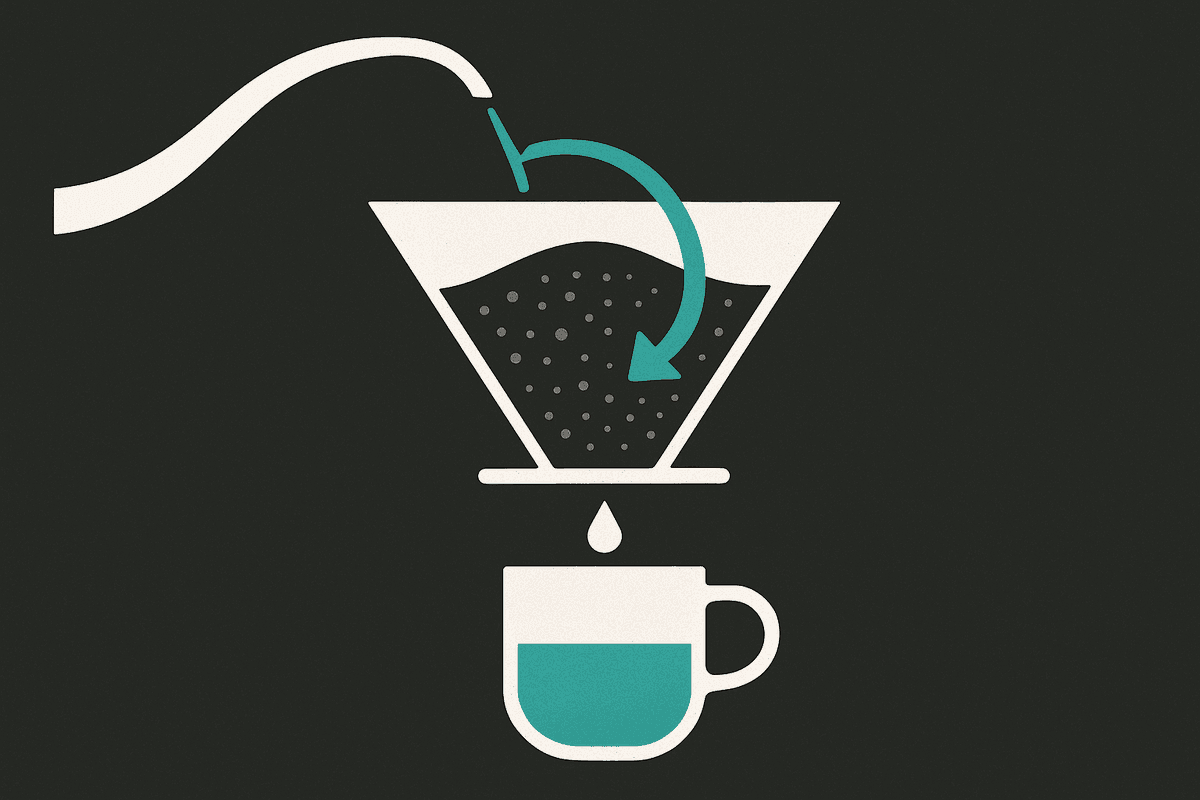
Paper-filtered drip: around 12 mg/L, about 0.1 mg per 200 mL cup [4][5]. Paper traps the diterpenes through a combination of pore size and the surface chemistry of the cellulose fibers — the filter is doing real work, not just blocking grounds.
[!DATA value="~25×" label="More cafestol per cup in French press vs. paper-filtered drip"]
The Trade-Off
Coffee's oily fraction doesn't only carry cafestol. It carries lipid-soluble aroma compounds — furans, phenols, and aldehydes — that contribute to mouthfeel and body [6]. Remove the oils and you remove those flavor carriers too.
Paper filters trap 90–95% of these compounds. The result: cleaner acidity, lighter body, more precision in the cup. Whether that's better depends entirely on what you're making. A light washed pour-over gains clarity without the oils. A dark French press might lose the texture that was holding the cup together.
Note
Kahweol is largely absent in robusta — that variety barely produces it. Cafestol appears in both arabica and robusta in similar concentrations. Brew method matters far more than species when it comes to diterpene intake.
What to Do With This
The research doesn't say stop drinking unfiltered coffee. It says: be deliberate about volume and method.
Paper filters are cheap and effective. A 2025 study found that replacing three cups of unfiltered machine coffee daily with paper-filtered equivalents would lower LDL by 0.58 mmol/L — translating to up to a 36% reduction in 40-year cardiovascular risk [4]. That's a large effect from a trivial change.
French press is fine. Five cups of French press every day, without knowing what that means, is worth thinking about.
Try this
- Brew the same coffee two ways. Make a batch in a French press and another with the same ratio through a paper filter. Taste side-by-side. The French press has more body; the drip has more acidity and clarity. You're tasting the oil difference.
- Filter your press pot. Pour French press coffee through a paper filter into a second cup. Taste it against the unfiltered version. The body drops noticeably. That difference is mostly cafestol, kahweol, and the aroma compounds they carry.