
The Wrong Conclusion
You order a bag of single-origin from a roaster you trust. It shows up Friday. Saturday morning you grind, brew your usual recipe — and it tastes thin and sour. Not the chocolate-and-stone-fruit the bag promised. You curse the roaster, switch back to the dependable supermarket bag, and lose a small amount of faith in specialty coffee.
The bag wasn't bad. It was too young.
TL;DR
- Fresh-out-of-the-roaster coffee tastes worse than rested coffee. The "fresher = better" instinct is wrong.
- Most roasts hit their peak between 1 and 4 weeks off roast. Espresso shines closer to 3–5 weeks.
- The first few days are the worst — beans are still off-gassing CO₂, which fights extraction and produces sharp, under-developed flavor.
What's Actually Happening
Roasting drives carbon dioxide deep into the bean's cellular structure. When the bag is freshly roasted, that CO₂ is still trapped. When hot water hits the grounds, the gas erupts out — fast — and physically pushes water away from the surface it needs to extract from [1].
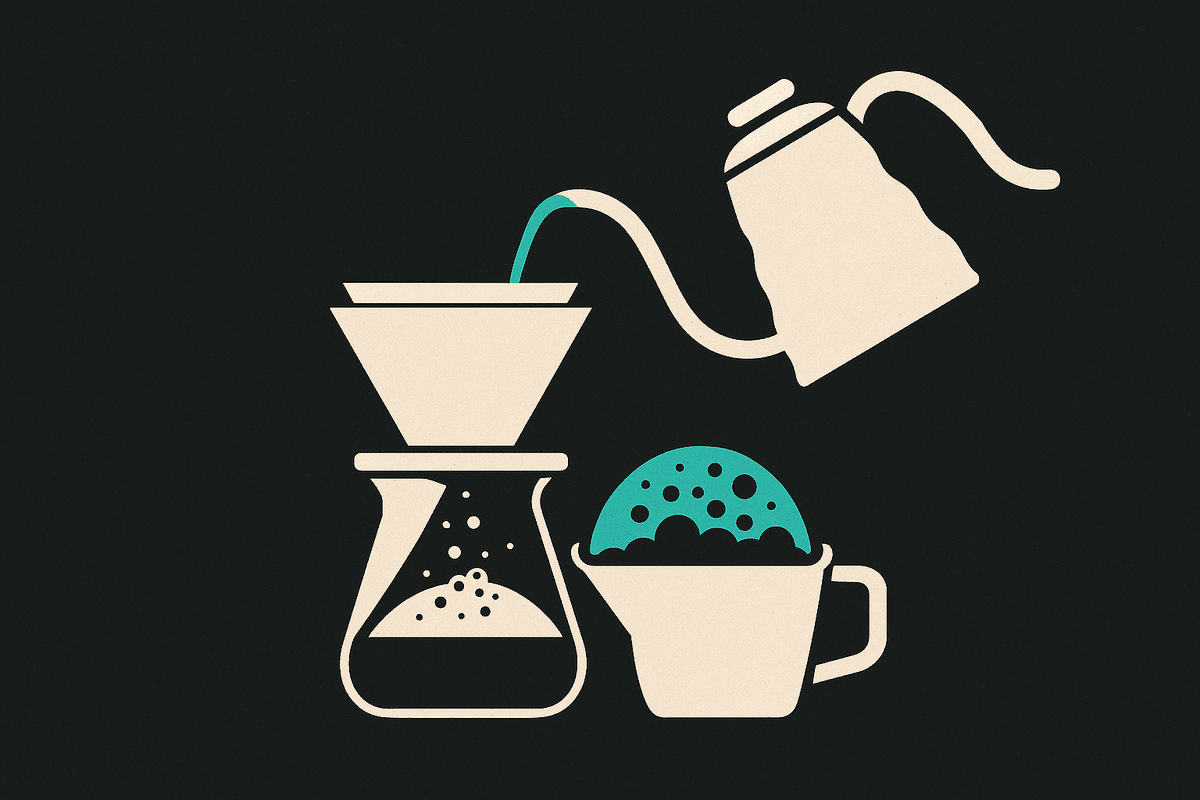
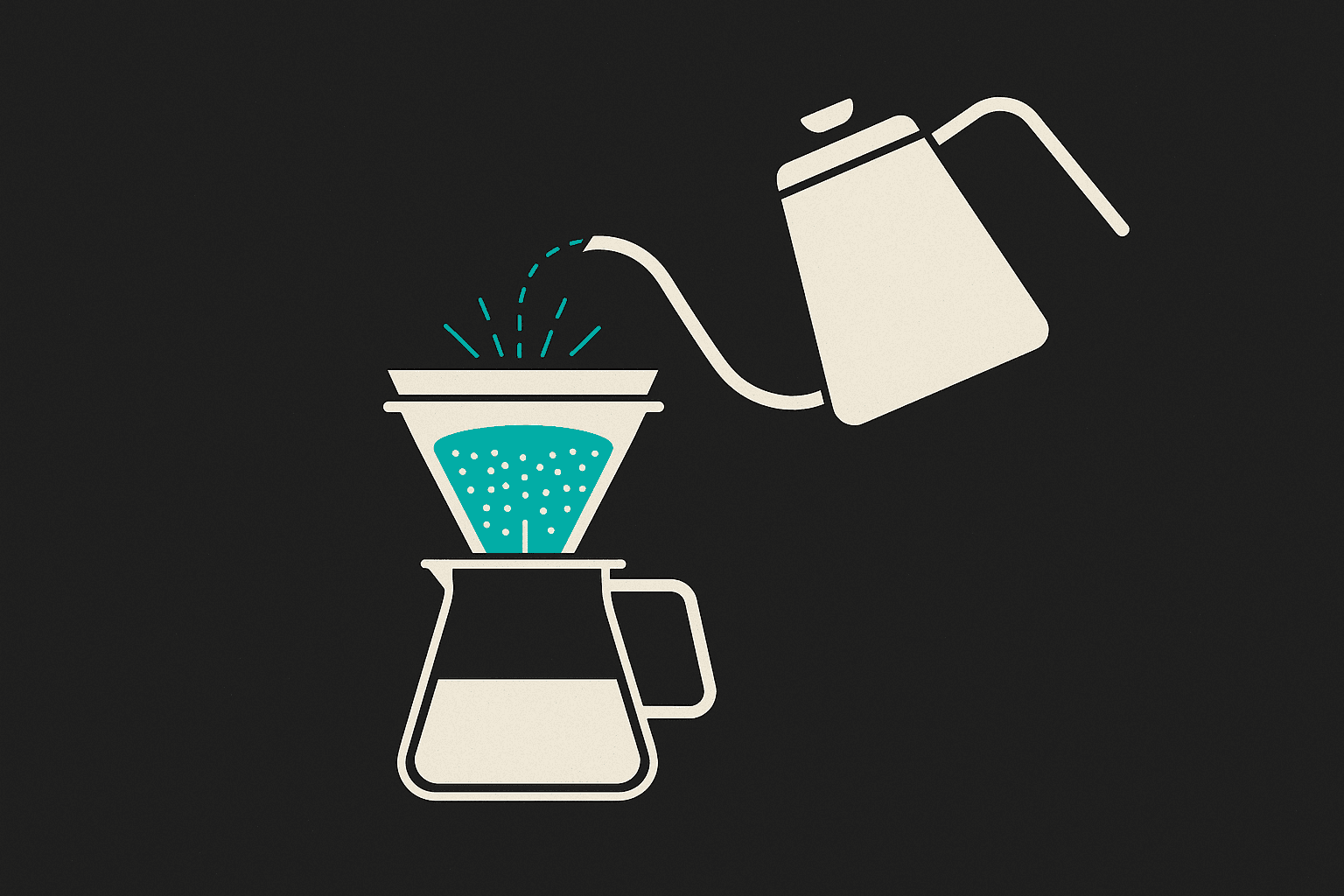
The visible symptom is "bloom" — the dramatic puff and foam in the first 30 seconds of a pour-over. That bloom is degassing in real time. A bag two days off roast can bloom for the entire brew, which is why your usual recipe suddenly tastes thin and sour: the water never settled into the grounds long enough to extract fully [2].
[!DATA value="1–4 weeks" label="Filter brew peak window for most specialty roasts"]
The Numbers
The specialty industry has been quietly converging on a window for years. Scott Rao, one of coffee's most cited voices on extraction, has argued since 2017 that rested coffee tastes objectively better than fresh — and that the "fresher is better" reflex is one of the most stubborn pieces of folk wisdom in the craft [2]. James Hoffmann's standard guidance is 4–5 days minimum for medium roasts and 7–10 days for light roasts before they're worth drinking on filter [3].
Cafe Kreyol's post-roast study found that industry professionals consistently rated coffee tasted at 2–4 weeks higher than the same coffee tasted on day one [4]. Across blind cupping setups, the rested cups win.
The rough numbers, holding for most specialty roasts:
- Days 0–7 — Off-gassing dominates. Cups taste sharp, sour, and under-developed regardless of recipe.
- Days 7–14 — Filter coffee starts coming into its own. Acidity rounds out, sweetness builds.
- Weeks 2–4 — Filter peak window. Most light-to-medium roasts taste at their best here.
- Weeks 3–5 — Espresso peak. The CO₂ has settled enough for clean shots; the soluble compounds have integrated.
- Weeks 5–8 — Still very drinkable at home. Most cafes retire it from service around 6 weeks; the difference is professional consistency, not "spoilage" [4].
The first few days off roast are the worst days of a coffee's life. You're tasting CO₂ and undeveloped chemistry, not the bean.
Why Cafés Don't Serve Day-One Coffee
Watch a roaster you respect. They roast on a schedule — say Tuesday — and the bag you buy on Saturday has been resting four days. By the time you brew it Sunday, it's hit five days. Right at the edge of the filter window opening up.
This isn't accidental. The lag between roast day and bag-in-hand is the rest period. Roasters who care set it up deliberately so the customer's first cup lands somewhere reasonable in the curve. The specialty cafés that pull espresso shots from coffees you can buy retail will usually serve coffees they're 10+ days off roast on, because that's where the espresso window begins.
Note
Light roasts and espresso both ride further on the curve than medium-roast filter. A light Ethiopian natural pulled as espresso might not be ready until day 14 and might still be climbing at day 21. When in doubt: brew, note what you taste, wait a few days, brew the same recipe again.
What This Means For You
Three practical takeaways:
- Check the roast date on the bag. If you can't find one, ask the roaster. A bag without a roast date is a red flag — it means you can't time when to brew.
- Don't blame day-one coffee for tasting wrong. If your first cup from a new bag is sour or thin, that's the bag telling you it's not ready. Give it 3–5 more days and try the same recipe.
- Don't refrigerate sealed bags. That's a different conversation, but quickly: cold + sealed = condensation when you open, which accelerates staling. Cool, dry, dark, sealed is the answer. Freezer works only if you portion ahead and never re-thaw.
When Coffee Actually Is Bad
For completeness: coffee can be genuinely past its prime. The signs are subtle. The aroma flattens. The crema (on espresso) loses structure. Sweetness drops out and bitterness creeps in. For most home users, that's somewhere past 6–8 weeks off roast, longer if you're storing it well.
But the most common reason coffee tastes bad isn't that it's old. It's that it's young.
Try this
- Wait a week. When your next new bag arrives, don't open it for seven days. Brew your usual recipe on day 1 (well, day 8 off roast, accounting for transit), then again on day 14 with the same recipe. The gap in the cup tells you what resting does.
- Bloom math. Time how long your pour-over bloom stays foamy. Day 3 off roast: probably 30+ seconds and still bubbling. Day 21: maybe 10 seconds and flat. That's the degassing curve, visible in your funnel.