
TL;DR: Anaerobic fermentation seals coffee in oxygen-free tanks, letting specific microbes produce intense, exotic flavors. It’s won competitions, divided purists, and expanded what coffee can taste like.
How It Works
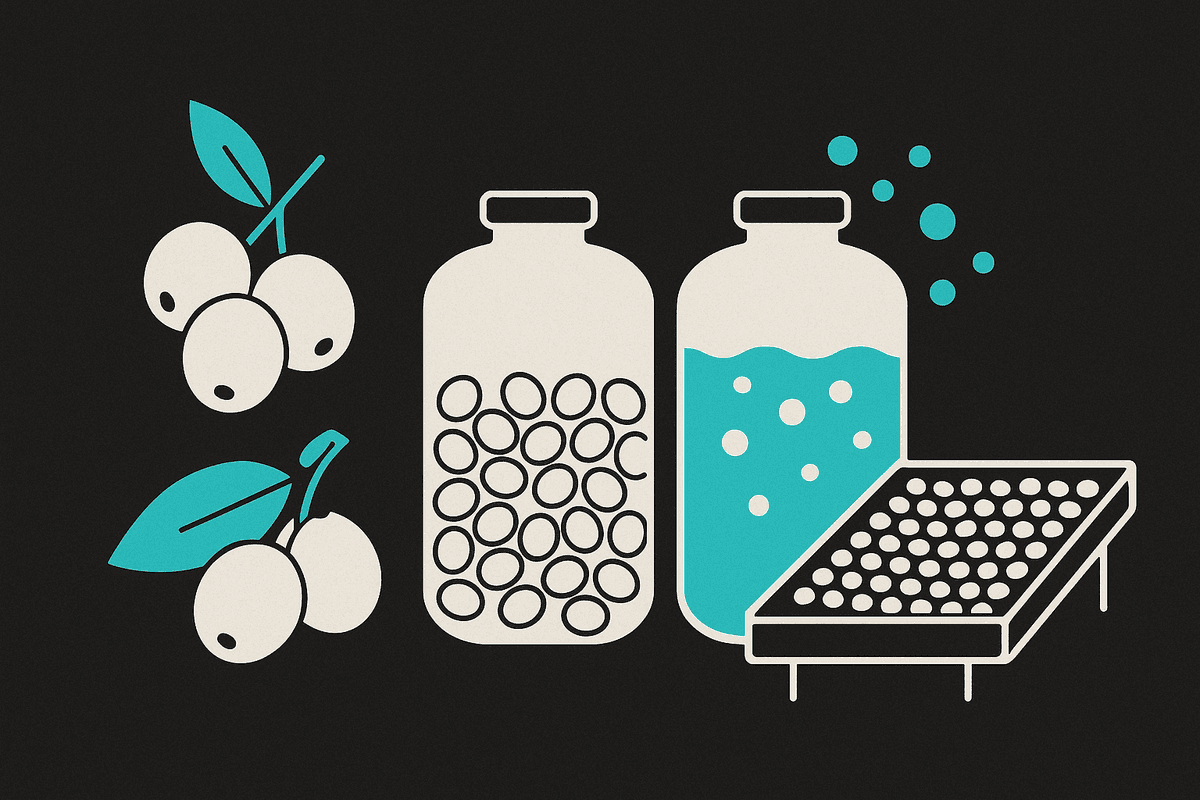
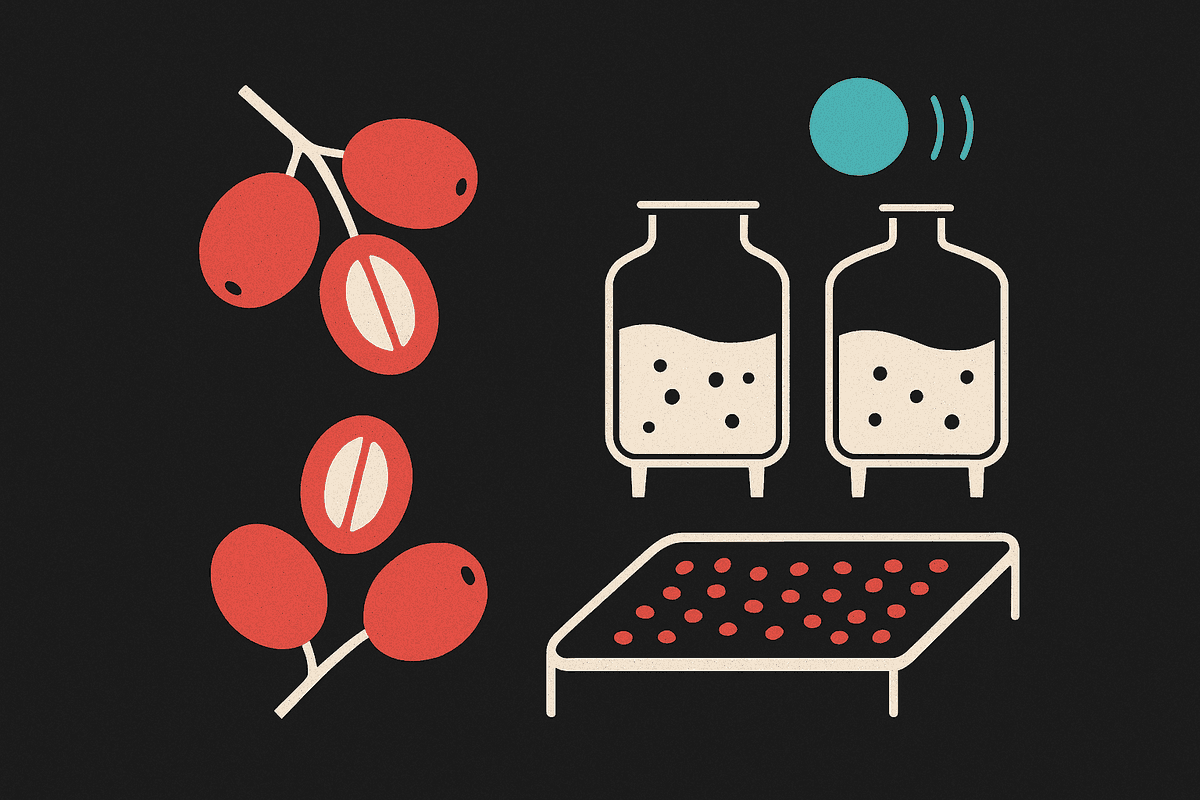
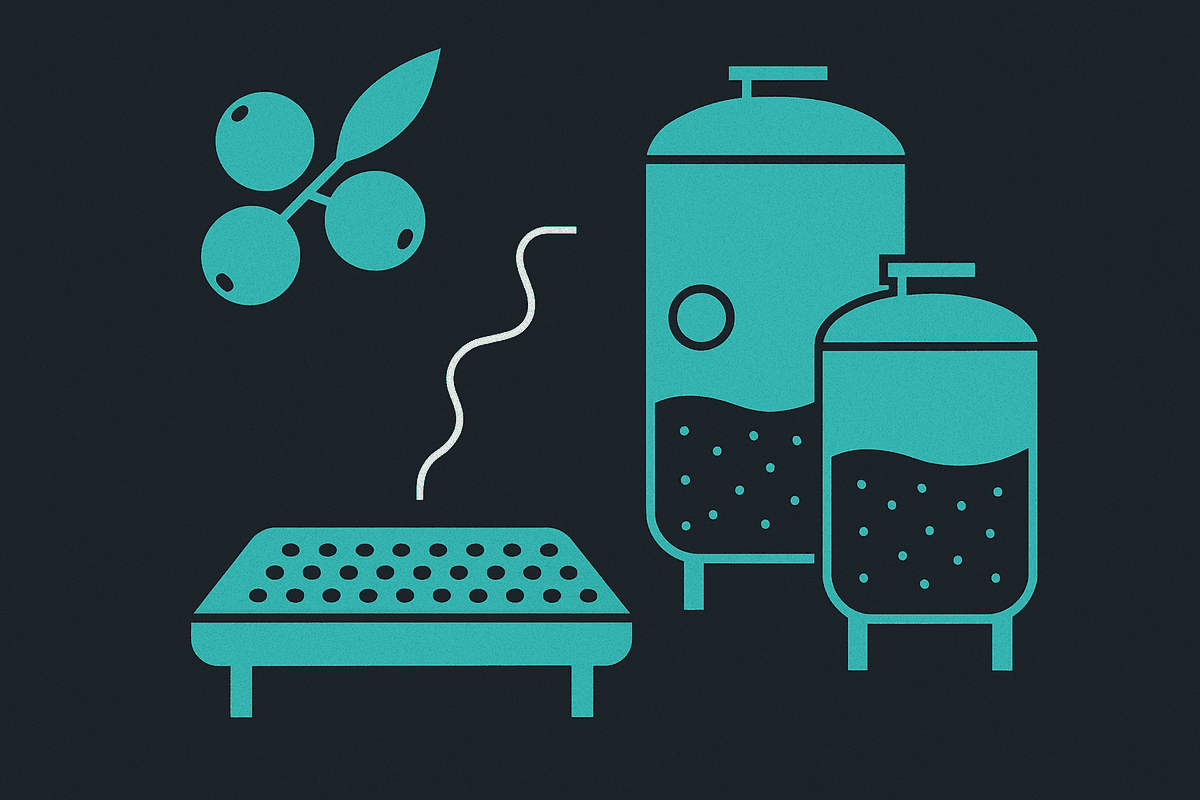
Producers seal coffee in airtight tanks with one-way valves. Without oxygen, anaerobic microbes — primarily lactic acid bacteria — take over. They produce lactic acid, ethanol, esters, and volatile compounds that soak into the bean.
Variables: temperature, duration (24 hours to weeks), pH targets, and whether they inoculate with specific strains or rely on wild fermentation.
What It Tastes Like
Conservative lots: amplified sweetness, juicier acidity. Aggressive lots: strawberry candy, cinnamon, tropical cocktails. Sasa Sestic’s 2015 WBC-winning carbonic maceration put these methods on the map.
The Controversy
Critics ask: is it still coffee when fermentation adds flavors the seed wouldn’t produce alone? Supporters counter that all processing is manipulation — anaerobic just gives producers another tool.
Where It’s Headed
IoT sensors now track pH, temperature, and CO₂ in real time. Expect “fermentation profiles” on bags alongside roast dates.
Try This
Find two lots from the same producer — one washed, one anaerobic. Brew identically. The difference is the fermentation talking.